Whole House Renovation in Woodside, CA
Whole-house renovation for Woodside homes that need careful planning, coordination, and lasting workmanship.
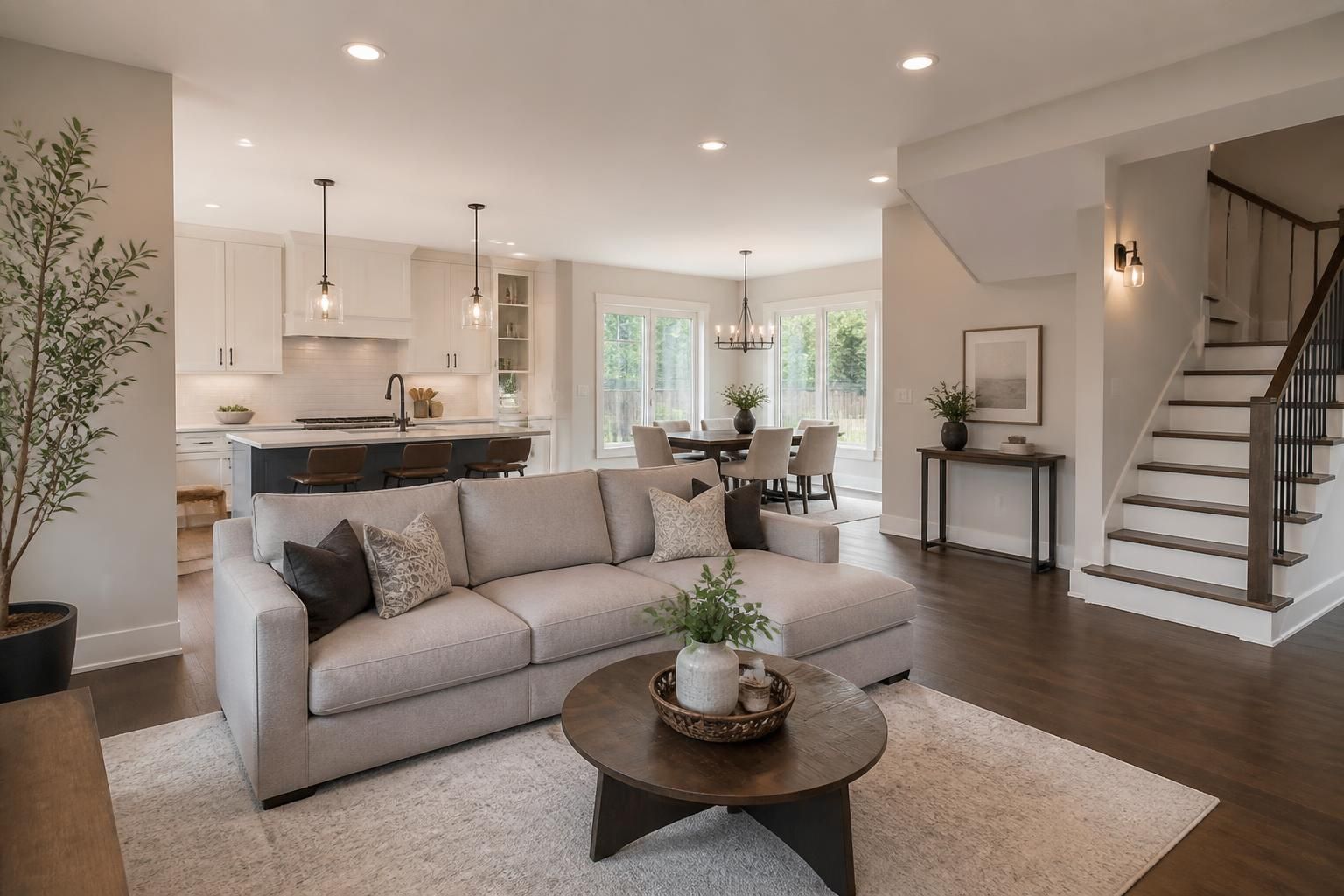
Whole-house renovation for Woodside homes that need careful planning, coordination, and lasting workmanship.
When a house no longer fits the way you live, the signs are usually everywhere: rooms that feel closed off, finishes that have worn past their useful life, layout changes that never quite happened, and a project list that keeps getting longer. A whole-house renovation gives you one coordinated path forward instead of a series of separate fixes.
The McCarthy Company helps homeowners in Woodside, CA plan and build substantial residential renovations with a clear order of work, steady communication, and attention to the details that shape long-term use. If your home needs a full reset, we can evaluate the property, define the scope, and manage the construction so the finished result feels cohesive from the structure outward.
A whole-house renovation is more than updating finishes. It is a chance to rethink how the house is organized, how the major systems support daily life, and how each part of the home relates to the next. For many Woodside homeowners, that means combining several projects into one carefully managed build.
We often see whole-house renovation plans that include:
The goal is not to patch together isolated improvements. It is to bring the house into one consistent plan so the structure, systems, and finishes support each other.
Some homes show their age through visible wear. Others feel outdated because the plan no longer supports how the household actually lives. A full renovation is often the right path when several needs overlap and the work is better handled together than one piece at a time.
For homes in Woodside, CA, a broad renovation often makes sense when the property deserves more thoughtful planning than a series of isolated remodels can provide.
A good renovation starts with listening. We begin by understanding what is not working, what must stay, and what the homeowner wants the house to do better. That may involve improving daily flow, creating more usable living space, addressing structural concerns, or planning for future use over the long term.
We evaluate the house and property to understand existing conditions, identify what can be retained, and note where the work needs to start. This is where practical decisions get made about structure, layout, and the order of construction.
Once the project direction is clear, we help define the scope and coordinate design decisions that support the construction plan. For projects that need engineering or specialty trades, those pieces are brought into the process at the right time so the work stays organized.
Whole-house renovation often brings together carpentry, foundation work, roofing, electrical, plumbing, HVAC, and finish trades. Coordinating those pieces well matters because one trade often depends on the work completed by another. We manage that sequence so the build moves forward with less confusion.
Large residential renovations work best when the construction sequence is clear from the start. That sequence changes from project to project, but the overall approach stays the same: start with the conditions that affect the structure, then move through the systems, then complete the surfaces and finishes.
That structure is especially important on projects where the homeowner expects the house to feel coherent, not pieced together over time.
Whole-house renovation can touch nearly every part of a home, but the work should still follow a practical order. Some sections of the house are easier to update once the deeper construction has been completed. Others need early decisions because they affect framing, utilities, or access.
Common areas addressed during a broad renovation include:
By treating the house as one connected project, we can reduce the risk of finishing one area only to discover the next area needs to be altered for the larger plan.
Homeowners taking on a full renovation need more than craftsmanship. They need a contractor who can keep the process understandable as the work unfolds. The McCarthy Company stays focused on clear communication, practical updates, and the day-to-day decisions that keep a complex project moving.
That means the homeowner knows what stage the project is at, what work is coming next, and where adjustments may be needed. It also means changes are handled as construction decisions, not surprises. On a house that is being rebuilt section by section, that level of communication matters.
We also pay attention to the details that affect the finished result: alignment, transitions between old and new work, fit, access, and how the renovated spaces will hold up through everyday use. Those details are easy to overlook early and hard to fix later, which is why they stay part of the process from the start.
Woodside homeowners often want renovation work handled with care, restraint, and a clear sense of proportion. A whole-house renovation should respect the property while giving the house a stronger plan for daily life. That requires a contractor who can manage substantial residential work without losing sight of the overall picture.
The McCarthy Company serves Woodside, CA as well as homeowners throughout San Mateo County and the San Francisco Peninsula, including Menlo Park, Atherton, Hillsborough, San Mateo, Redwood City, Portola Valley, Half Moon Bay, Pacifica, El Granada, La Honda, and Burlingame. We are based in La Honda, and we bring that local familiarity to projects that need careful coordination and a measured approach.
For many households, the real value of a whole-house renovation is not just the new surfaces. It is the confidence that the house has been studied, planned, and rebuilt with the right sequence of work.
It starts with understanding what is not working now and what the homeowner wants the house to become. From there, we evaluate the property, define the scope, and plan the construction sequence.
Yes. Whole-house renovation often includes rot repair, structural repair, foundation and concrete work, or other early-stage corrections that need to happen before finish work begins.
Yes. Design-build services can be part of a renovation when the homeowner wants one coordinated path from planning through construction.
That depends on the house, but many projects include living areas, kitchens, bathrooms, windows, doors, decking, roofing, and exterior or structural components as part of one broader plan.
We focus on scope, sequence, and communication. Structural items, systems, and finish work are coordinated so each phase supports the next instead of competing with it.
If several parts of the home need work at once, whole-house renovation is often the more practical choice because it allows the project to be planned and built as a single effort.
If your Woodside home needs a full renovation, the next step is a clear conversation about what the house needs and how the work should be organized. The McCarthy Company handles substantial residential projects with steady coordination and thoughtful construction planning.
Call +16507876991 or email mccarthytech@yahoo.com to discuss your whole-house renovation project with The McCarthy Company.
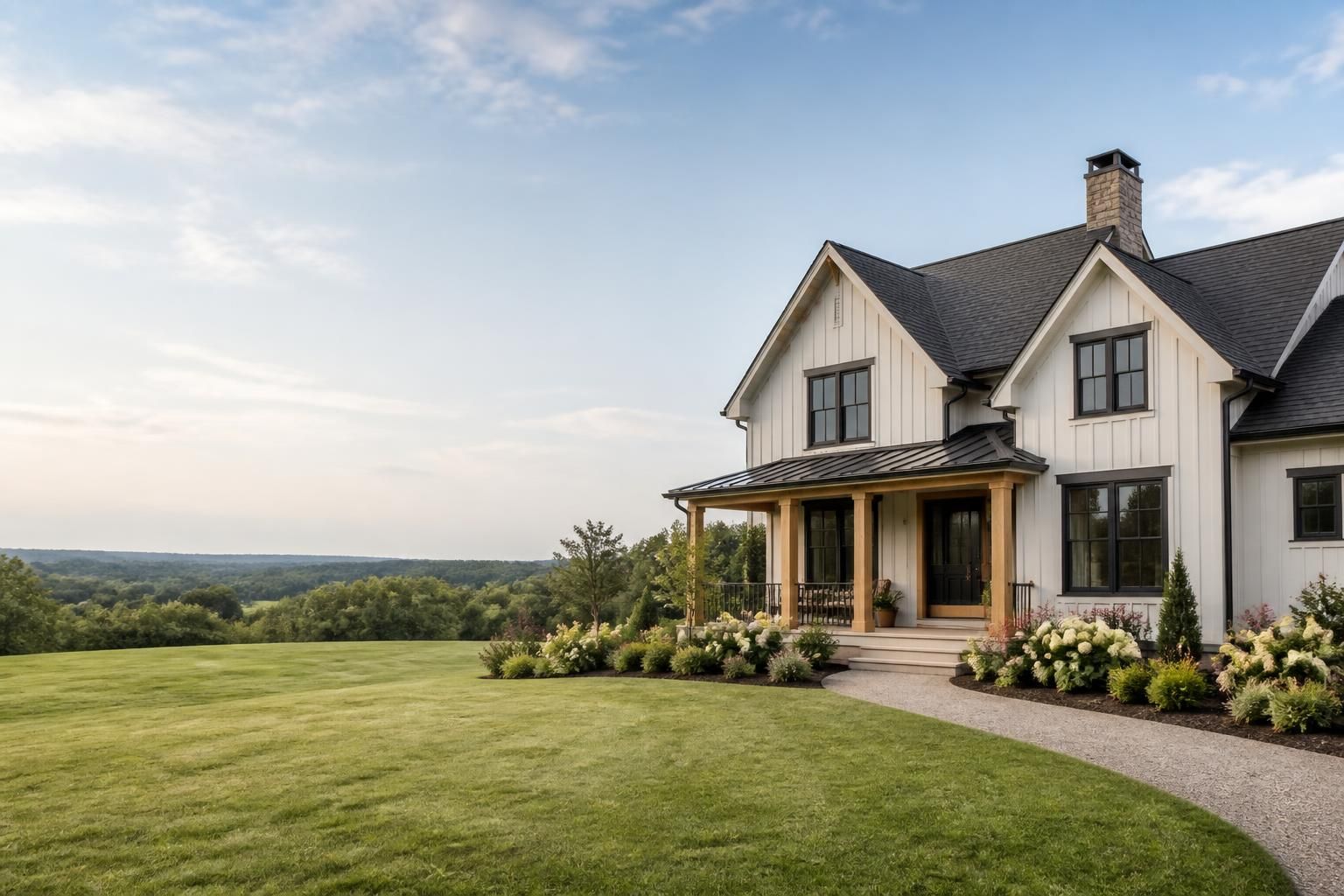
Ready to Plan
If you are planning a new home, an ADU, an addition, or a major remodel, we can help you think through the scope and the best way to approach the work.